


Understanding the Dog Behind the Behaviour: Fear, Anxiety & Reactivity | ISSUE 1
What a Treat Professional Pet Care | Educational Series – Issue 01

Your dog isn't giving you a hard time. They might be having a hard time.
Have you ever wondered why your dog barks at other dogs, hides when visitors arrive, refuses to walk into the veterinary practice or reacts seemingly out of nowhere?
It's easy to describe these behaviours as naughty, stubborn, difficult or disobedient. But what if we took a step back and considered what our dogs might actually be trying to communicate?
At What a Treat Professional Pet Care, we believe that understanding behaviour should always come before trying to change it.
Every behaviour has a context. Our dogs don't experience the world quite as we do, and what might seem like an ordinary, everyday situation to us can be overwhelming, frightening or uncomfortable for them.
That's why we're introducing our new educational series, Understanding the Dog Behind the Behaviour, where we'll explore canine behaviour, emotional wellbeing, communication and the little things we can do as owners and caregivers to help our dogs feel safer, happier and more understood.
For our first instalment, we're exploring three closely related concepts that are often misunderstood: fear, anxiety and reactivity.
1. Fear, anxiety and reactivity: What's the difference?
Although these terms are often used interchangeably, they describe different aspects of a dog's emotional and behavioural experience.
Fear is an emotional response to a perceived threat or something a dog finds frightening. This could be an unfamiliar person, another dog, a loud noise, a veterinary examination or a particular environment.
Fear can trigger different responses. Some dogs may try to move away, hide or freeze, while others may bark, growl, lunge or attempt to create distance between themselves and whatever is worrying them.
Anxiety generally refers to a state of apprehension or unease, often involving anticipation of something unpleasant or uncertain.
Unlike fear, which can be associated with an immediate perceived threat, anxiety can develop before a situation even occurs.
For example, a dog who becomes distressed as soon as their owner reaches for the car keys because they associate the car with an unpleasant experience may already be anticipating something they find frightening.
Reactivity describes an observable behavioural response to a particular stimulus. This might include barking, lunging, growling, pulling, spinning or becoming highly vocal when encountering another dog, person, vehicle or environmental trigger.
Reactivity isn't an emotion or a diagnosis in itself. The underlying motivation can vary. Fear, frustration, excitement, discomfort and other factors can all contribute.
A reactive dog isn't necessarily an aggressive dog, and a dog who reacts isn't automatically trying to cause harm.
Understanding the motivation behind the response is an important first step towards helping them.
2. Understanding the Dog Behind the Behaviour - What is your dog trying to tell you?
Dogs communicate constantly, but we don't always recognise what they're telling us.
Before a dog reaches the point of barking, growling or lunging, they may already be displaying subtle signs of discomfort.
Some common stress and discomfort signals include:
Lip licking or repeated nose licking.
Yawning outside of normal tiredness.
Turning their head or looking away.
Showing the whites of their eyes, sometimes called whale eye.
Ears held back or a lowered body posture.
Panting when they aren't hot or physically exerted.
Suddenly becoming very still or freezing.
Attempting to move away or hide.
Refusing food they would normally happily accept.
These signals need to be considered in context. A yawn doesn't automatically mean a dog is stressed, just as a wagging tail doesn't automatically mean they're happy.
What matters is looking at the whole dog, their environment and the circumstances surrounding the behaviour.
One of the biggest mistakes we can make is waiting until a dog is barking, growling or attempting to escape before recognising that they're uncomfortable.
Learning to identify earlier signs gives us an opportunity to intervene before the situation becomes overwhelming.
3. Why does my dog react to other dogs?
This is one of the most common questions dog owners ask.
Imagine walking your dog along a pavement when another dog approaches. Your dog starts pulling, barking and lunging. You might feel embarrassed, frustrated or worried about how others perceive your dog.
But let's consider the situation from their perspective.
Perhaps they've had an unpleasant experience with another dog. Maybe they feel trapped on a narrow pavement, uncomfortable with direct approaches or simply overwhelmed by the proximity of unfamiliar dogs.
Some dogs react because they're frightened and want the other dog to move away. Others may be frustrated because they want to approach but are restricted by the lead.
The behaviour might look similar, but the underlying motivation can be very different.
This is why simply correcting the barking or pulling doesn't necessarily address the problem.
Instead, we need to understand what is driving the response and develop an approach that helps the dog feel safer and cope more comfortably.
This is also an important consideration when choosing a dog walker. A dog who finds unfamiliar dogs challenging may not benefit from being placed in a large walking group or repeatedly exposed to busy environments.
Sometimes, a quieter individual walk, a carefully selected walking companion or an enrichment session is a much better starting point.
4. Trigger stacking: When little things become too much
Have you ever had one of those days where everything seems to go wrong? A difficult morning, too much noise, a stressful commute and then one tiny inconvenience pushes you over the edge?
Dogs can experience something similar.
Trigger stacking occurs when multiple stressful or highly stimulating experiences accumulate without sufficient opportunity for recovery.
For example, a dog might:
Wake up to construction noise outside.
Encounter an unfamiliar dog during their morning walk.
Become startled by a passing vehicle.
Have visitors arrive at home.
Then encounter another dog while out in the afternoon.
Individually, each experience might be manageable. Together, however, they can push a dog beyond their ability to cope comfortably.
This is why a dog who usually manages a particular situation may suddenly react much more intensely.
It isn't necessarily that their training has disappeared or that they're being difficult. Their overall stress load may simply be too high.
Recognising this means we can make better decisions about daily routines, exposure to triggers and opportunities for rest.
It also reminds us that more activity isn't always better. A busy day filled with walks, visitors, outings and social interactions can be exhausting, even when every activity seems enjoyable to us.
5. Why forcing socialisation can backfire
One of the biggest misconceptions about fearful dogs is that they simply need more exposure.
You'll often hear advice such as:
"They just need to meet more dogs."
"Take them to the dog park so they get used to it."
"Let them work it out themselves."
Unfortunately, repeatedly exposing a fearful dog to something that overwhelms them doesn't automatically make them more comfortable with it.
In some cases, it can make their fear worse.
True socialisation isn't about making your dog interact with every person, dog or environment they encounter. It's about helping them develop positive, appropriate experiences and the ability to navigate the world comfortably.
For some dogs, that might mean calmly observing another dog from a distance. For others, it might mean walking alongside a familiar dog without direct interaction.
And sometimes, the best choice is simply to create more distance.
Your dog does not need to greet every dog they meet. They don't need to enjoy every interaction, and they certainly don't need to be everyone's friend.
Learning that it's okay to opt out of an interaction is an important part of supporting their emotional wellbeing.
6. Working with your dog's emotional needs, not against them
So, what can we actually do to help a fearful or reactive dog?
There is no universal solution, because every dog has their own experiences, sensitivities, history and individual needs.
However, there are some helpful starting points.
Learn to recognise your dog's body language.
Start noticing the little changes that happen before your dog reacts. Understanding their early warning signs allows you to make adjustments before they become overwhelmed.
Create distance when needed.
Distance is one of the most useful tools when supporting a fearful or reactive dog. Crossing the road, changing direction or moving away from a trigger isn't failure. It's giving your dog the space they need to feel safer.
Avoid unnecessary pressure.
Don't force interactions, physical handling or exposure to situations your dog finds frightening. Allow them opportunities to make choices wherever possible.
Focus on positive experiences.
Reward calm observation, voluntary engagement and confident choices. Work at a level your dog can comfortably manage rather than pushing them towards situations that cause distress.
Prioritise rest and recovery.
A dog's emotional wellbeing is influenced by their entire daily routine. Appropriate exercise, sniffing opportunities, enrichment, predictable routines and adequate rest all contribute to their ability to cope.
Seek professional support.
If your dog's fear or reactivity is affecting their quality of life, speak to your veterinarian and consider working with a suitably qualified, reward-based behaviour professional.
Sudden behavioural changes should also be assessed medically, as pain and illness can influence behaviour.
For some dogs, veterinary support, including appropriately prescribed medication, may form part of a wider behaviour-management plan.

7.Introducing Andrea: Dog Trainer at What a Treat
We're excited to introduce Andrea, who joins What a Treat with a background in dog training and a dog-training qualification from SIUA.
Andrea brings an interest in understanding how dogs learn, how they communicate and how we can help them develop skills through appropriate training and guidance.
We believe that dog walking and training can complement one another. Understanding how a dog responds to their environment, what motivates them and where they may need support can help us make more considered decisions about their everyday care.
Andrea's involvement adds another dimension to the educational and training-focused work we're developing at What a Treat.
We'll be sharing more about Andrea, his background and his approach to training in a separate introduction. If you're interested in learning more about dog training support through What a Treat, please get in touch with our team.
8. Choosing the right dog walker and pet-care professional
Something particularly important to us at What a Treat is that a dog's individual needs don't stop being important when they leave their owner's care.
Whether you're looking for a professional dog walker in Cape Town, a regular pet sitter or someone to help with your dog's daily enrichment, it's important to consider more than just whether they love animals.
Do they understand canine body language? Can they recognise signs of stress? Are they comfortable adapting their approach to suit different personalities and temperaments?
For a fearful or reactive dog, having a consistent caregiver who understands their needs can make a meaningful difference to their daily experience.
A good dog-walking routine should consider the individual dog rather than simply fitting every dog into the same schedule.
At What a Treat, we believe professional dog walking should consider both physical and emotional wellbeing.
Our dog-walking services in Cape Town include individual walks, carefully considered small-group walks and one-on-one enrichment sessions for dogs who may need a more gradual introduction to walking with a professional.
For more timid dogs, enrichment sessions can begin at home with one-on-one time, allowing us to build familiarity and confidence at a pace that suits the individual dog.
We take the time to understand your dog's personality, routine, preferences and care requirements before recommending an appropriate service.
After all, the aim isn't simply to get your dog out of the house. It's to give them an enjoyable, enriching experience that suits who they are.
If your dog would benefit from regular exercise, sniffing opportunities, individual attention or a carefully matched walking companion, we'd love to help.
Explore our professional dog-walking services or submit a booking enquiry.
9. A personal note from Roxy: Getting to know the dog behind the behaviour
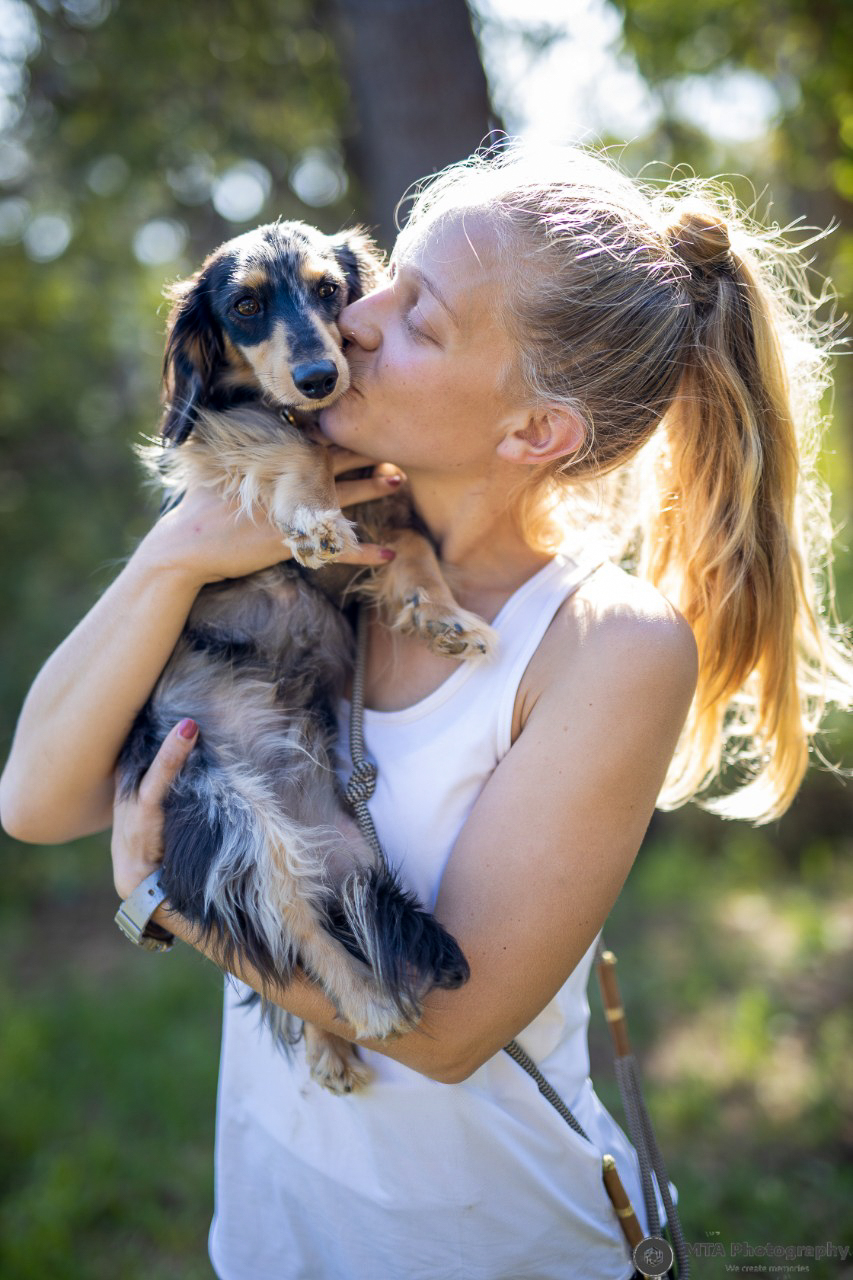
Our own Blue is a wonderful reminder of why this philosophy matters so much.
Blue is a rescue dog who can find unfamiliar people, dogs and certain environments incredibly overwhelming. Her fear and reactivity have influenced how we approach everyday activities, from choosing our walking routes to planning veterinary appointments.
We've learnt that supporting Blue isn't about expecting her to fit into every environment or situation. It's about understanding what she can comfortably manage, recognising when she's struggling and making adjustments to help her feel safe.
For example, veterinary visits require a fair amount of planning. We communicate with her regular veterinarian, arrange quieter appointment times, use a vet-prescribed pre-visit medication plan and allow her time to settle into the examination room before beginning the appointment.
It's not about avoiding the things Blue finds difficult forever. It's about approaching them thoughtfully, with her emotional and physical wellbeing in mind.
And that's something we believe every dog deserves.
Looking for professional pet care in Cape Town?
Whether you're searching for a reliable pet sitter, an experienced dog walker or individualised enrichment for your dog, we'd love to introduce you to What a Treat.
Our professional pet sitters and dog walkers take the time to understand each animal's personality, routine and individual care requirements.
Discover our services:
Pet Sitting: Professional care for your pets in the comfort of their own home.
Dog Walking: Individual and carefully considered small-group walking options suited to your dog's needs.
Pet Enrichment: Thoughtful activities and one-on-one sessions to support mental stimulation and confidence.
Changing the question changes the approach
At What a Treat, our approach to animal care is rooted in understanding the individual animal in front of us.
With my background in animals and COAPE training, I've always believed that we need to look beyond the behaviour we see and consider the emotional and environmental factors influencing it.
Instead of asking:
How do I stop my dog doing this?
Let's start asking:
Why might my dog be doing this, and how can I help?
That small shift in perspective can change the way we train, walk, care for and interact with our dogs.
Because behaviour isn't simply something to correct. It's communication worth understanding.
Less judgement. More understanding. Better care.
This article is intended for general educational purposes and is not a substitute for individual veterinary or behavioural advice. Every dog is different, and behavioural concerns should be assessed in the context of that dog's individual history, health and environment.
What a Treat Professional Pet Care
Cape Town | Pet Sitting | Dog Walking | Enrichment | Weddings


Comments