


Vet Visits for Fearful & Reactive Dogs: How to Make Them Less Stressful
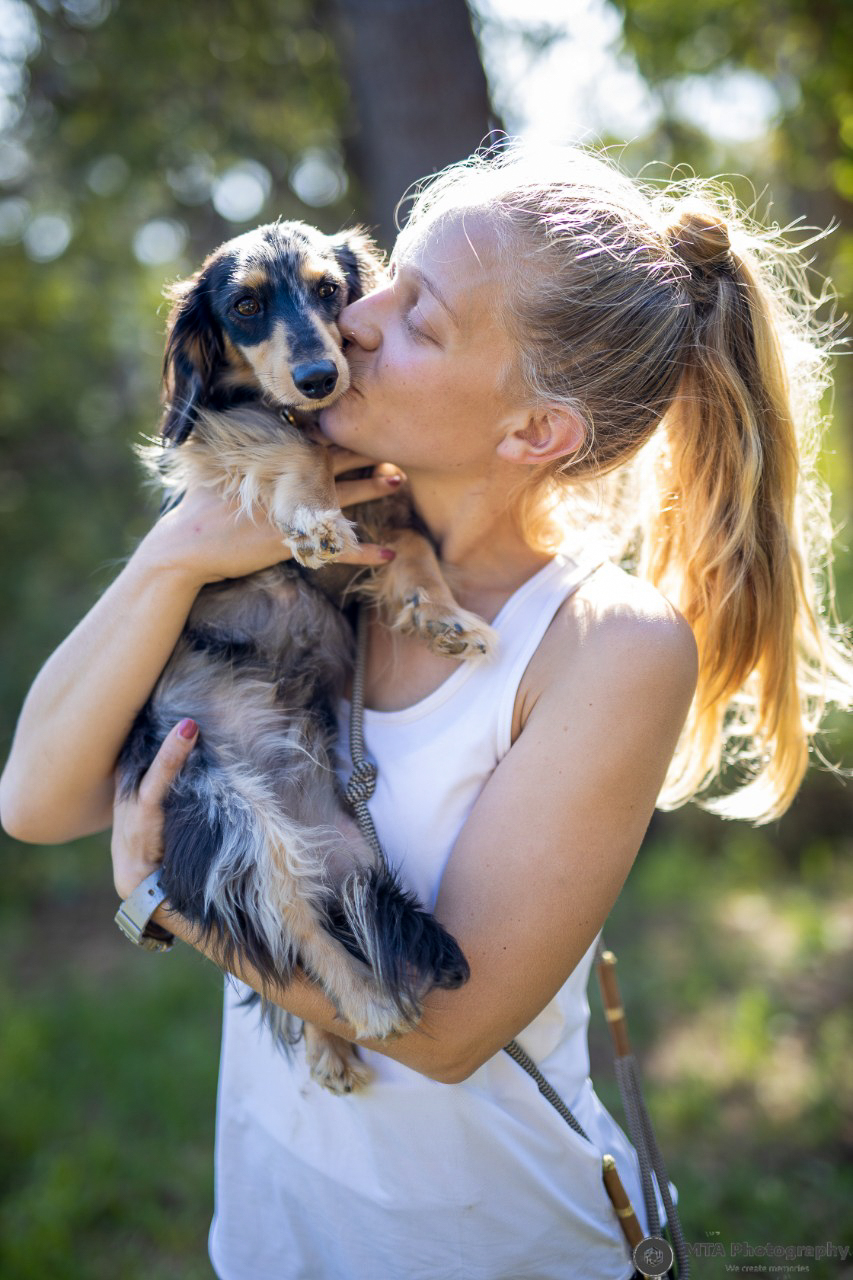
Practical advice on supporting anxious dogs, reducing veterinary stress and advocating for your dog's emotional wellbeing.

For some dogs, a trip to the vet is just another outing. For others, it can be an incredibly overwhelming experience. For fearful and reactive dogs, veterinary visits can trigger significant stress, anxiety and heightened adrenaline responses. Sometimes, the effects of a single appointment can linger for days afterwards. Our own Blue is one of those dogs.
As someone who works professionally with animals every day, understanding canine behaviour and recognising individual needs is something I am particularly passionate about. But when it comes to Blue, I'm also simply a dog owner who wants to make sure her girl feels as safe and supported as possible.
Over time, we've developed a routine that helps make her veterinary visits as calm, predictable and positive as possible. It doesn't mean she suddenly loves going to the vet, but it does mean we can advocate for her needs, minimise unnecessary stress and ensure she receives the medical care she needs.
Here are some of the steps we follow, along with practical advice for anyone living with a fearful or reactive dog.
1. First, ask: Is the vet visit really necessary?
This might sound like an unusual first step, but it's an important one.
For Blue, a veterinary visit comes with a significant emotional and physiological stress response. Her adrenaline levels rise, she becomes highly alert, and it can take several days for her to fully settle again. We therefore consider whether an issue genuinely requires an in-person examination, or whether it is something we can initially discuss with her vet over the phone.
Of course, this is never about avoiding necessary veterinary care. If something is urgent, painful, worsening or concerning, we seek veterinary attention. The goal is simply to avoid unnecessary appointments where appropriate.
2. Build a relationship with one regular vet
We always request Blue's regular veterinarian, someone she has gradually been building a relationship with. Having a familiar person handle her makes a difference. They understand her behaviour, know her history and are familiar with the way she communicates when she is uncomfortable.
Consistency and trust are incredibly valuable when working with fearful dogs.
If possible, find a veterinary practice that is willing to work with you and your dog's individual needs rather than expecting every dog to fit into the same approach.
3. Schedule vet visits for fearful and reactive dogs strategically
One of our biggest requests is for an appointment during a quieter portion of the day.
We explain that Blue is reactive to unfamiliar dogs and that waiting in a busy reception area can be incredibly triggering for her.
We ask whether we can:
Arrive at a quieter time.
Go straight into an examination room.
Avoid waiting in close proximity to other animals.
Minimise unnecessary interactions with unfamiliar people and dogs.
A little communication with your veterinary practice beforehand can make a world of difference.
4. Speak to your vet about pre-visit medication
For Blue, we use veterinarian-prescribed pre-visit medication to help manage her anxiety.
Her vet provides a specific medication plan, which we follow by administering her prescribed medication the evening before and again approximately three hours before her appointment.
Pre-visit medication can help reduce the intensity of a dog's fear response, making the experience more manageable and allowing the veterinary team to examine them safely.
It's important to remember that medication isn't a one-size-fits-all solution. Always discuss suitable options, dosage and timing with your veterinarian. Never give your dog medication or supplements intended for humans without veterinary guidance.
For some dogs, this additional support can make an enormous difference.

5. Get some sniffing in before the appointment
Before heading to the vet, I take Blue for a relaxed walk. This isn't about tiring her out or exhausting her before an appointment. It's about giving her an opportunity to explore, sniff and engage with her environment. Sniffing is an important part of canine enrichment and allows dogs to engage in natural behaviours.
We keep things relatively low-key and avoid busy areas or unnecessary interactions with other dogs. By the time we get to the vet, she's had an opportunity to explore and enjoy some time outside before the appointment begins.
6. Let your dog settle into the examination room
This is one of the most important parts of our routine.
Once we arrive, we let her sniff around the room while her vet and I have a conversation about why we're there, what we've noticed and any relevant changes in her recent history. This gives Blue a little time to familiarise herself with the environment without immediately being handled, restrained or placed in an uncomfortable position.
Where medically appropriate, allowing a dog to remain on the floor, stay close to their owner or choose their position can make a significant difference.
7. Work together, calmly and with plenty of treats!
Once we've discussed the reason for the visit and Blue has had an opportunity to settle, we move on to the examination. We try to keep this part as efficient as possible. Her vet knows what needs to be checked, we know what we're there for, and we work together to complete the examination, administer any necessary injections or medication and get her back to a comfortable position.
And, of course, there are LOTS of treats!
We use positive reinforcement throughout the process, rewarding Blue for the little things: allowing the vet to approach, remaining in the room, tolerating handling and participating in the examination. We also pay attention to her body language and recognise when she needs a little breathing room.
The aim isn't to force her through the experience. It's to make it as manageable and positive as we can.
A special thank you to Observatory Animal Clinic
I really want to take a moment to recognise the wonderful team at Observatory Animal Clinic, who have gone above and beyond to make Blue's veterinary visits as comfortable as possible.
A particularly big thank you to Pinky at reception, who understands just how important it is for Blue to enter an empty clinic. That might seem like a small request, but for a reactive dog, having the opportunity to enter without encountering unfamiliar dogs in a busy reception area can make an enormous difference.
Our vet, Dr Megan Beaumont, and the veterinary nurse, Chad King, are equally wonderful. Despite Blue needing to wear a muzzle for everyone's safety, they never make her feel rushed or put unnecessary pressure on her. They allow her to walk around the clinic, sniff and familiarise herself with the environment while we chat about the reason for her visit.
They offer her treats, give her opportunities to engage at her own pace and, even when she reacts, they remain calm and simply continue our conversation as normal. There is no fuss, frustration or unnecessary escalation. Just patience, understanding and a genuine willingness to work with her.
When it comes to examinations, treatments and vaccinations, we work together as a team. We coordinate the handling, keep things as efficient as possible and incorporate plenty of rewards and praise throughout the process.
This is exactly the kind of approach that makes a difference to dogs like Blue and makes vet visits with fearful and reactive dogs so much easier to tackle.
The entire team at Observatory Animal Clinic has been incredibly patient, empathetic and kind. They understand that Blue's behaviour is a reflection of how she is feeling, rather than something to be punished or judged.
I genuinely cannot recommend them enough, and I'm so grateful to have a veterinary team who understands the importance of looking after both Blue's physical health and her emotional wellbeing.
Thank you, Pinky and the entire Observatory Animal Clinic team. You make a difference that goes far beyond the examination room. ❤️
A little reminder: Advocate for your dog
One of the most important things you can do for a fearful or reactive dog is become their advocate. You know your dog better than anyone. You know their triggers, their thresholds, what makes them uncomfortable and what helps them feel safe. Don't be afraid to communicate these needs to your veterinary practice.
Some additional things worth discussing with your vet include:
Fear Free or low-stress handling techniques.
Cooperative care and consent-based handling.
Basket muzzle training, where appropriate, as a positive safety tool.
Pre-visit medication and ongoing anxiety management.
Gradual, positive introductions to the veterinary environment.
Fear and reactivity aren't behaviours that can simply be trained away, nor should dogs be expected to tolerate situations that cause them significant distress.
Sometimes, the kindest and most responsible approach involves a combination of behavioural support, environmental management, positive reinforcement and veterinary assistance.
What does this have to do with professional pet care?
At What a Treat Professional Pet Care, we believe that understanding an animal's individual needs is at the heart of providing good care. As a professional pet sitting and dog walking company in Cape Town, we work with dogs who have all sorts of personalities, temperaments and individual requirements.
Some are confident social butterflies who are happy to make friends wherever they go. Others are more reserved, anxious, fearful or reactive and need a little more consideration. We don't believe in expecting every dog to fit into the same box.
Whether we're providing dog walking, enrichment sessions or in-home pet sitting, we take the time to understand the animal in front of us. That means recognising their triggers, respecting their boundaries, understanding their routines and adapting our approach to help them feel comfortable and secure.
For some dogs, that might mean a carefully managed walking routine rather than a busy group outing. For others, it might mean individual enrichment sessions, slower introductions or additional communication with their owners.
Professional pet care isn't simply about making sure a dog gets walked, fed or entertained. It's about understanding the dog behind the behaviour and recognising what they need to thrive.
If you're looking for professional pet sitting or dog walking in Cape Town, we believe your pet deserves care that considers their emotional wellbeing just as much as their physical needs.
Every dog is different. Every approach should be too.
It's important to remember that Blue's routine is specific to her, her needs and her veterinary history. Her pre-visit medication, dosage and timing have all been discussed and prescribed by her veterinarian. We would never recommend that another dog follows the same medication routine without first consulting their own vet.
Sometimes, the most successful vet visit isn't the one where your dog is perfectly relaxed. It's the one where their medical needs are met while their emotional wellbeing is respected.
At What a Treat, we believe that caring for animals means looking beyond what we can see on the surface. It's not just about whether a dog walks nicely on a lead, follows a cue or behaves well in a particular environment. It's about understanding how they feel, recognising when they're struggling and adapting our approach to support them.
Their emotional wellbeing matters just as much as their physical health.
And sometimes, being a good advocate for your dog means slowing down, making adjustments and asking for a little extra help.
If you'd like to learn more about our professional pet sitting, dog walking and enrichment services in Cape Town, we'd love to hear from you.
Visit www.whatatreatpets.com to discover how What a Treat can support you and your pets.
Love, Roxy & the What a Treat Team 🐾
A note on Blue's care: Blue's veterinary routine and pre-visit medication are specific to her individual needs and veterinary history. Her medication, dosage and timing have been determined by her veterinarian. This article shares our personal experience and is not a substitute for professional veterinary advice.
Comments